 Hire Now
 Message Shah
Want a profile like this one?
Join thousands of news professionals who use journalist.net to showcase their work and get hired by top media outlets.
Get started
See how it works
Connect through Journalist.net
1
Verified professionals
Every journalist on this platform has been manually verified by our London team. You're connecting with a confirmed news professional.2
Protected engagement
We safeguard journalist contact details and provide insurance coverage for all bookings. Both parties work with confidence and security.3
Secure payment
Payments are held in escrow and released when the work is delivered. Journalists are guaranteed payment; clients approve before funds are finalized.Still have questions?
Check FAQAbout Shah
Shah Muhammod Moshahid is a journalist based in Dhaka, Bangladesh. passionate adventurers traveler.
Nothing object, but always with better object which will be able to dance with him. he prefer to dance with journalism and writing.
He is contributing writer at Daily Kaler Kantho (Bengali newspaper) and still working as Editorial Assistant at Daily Ajkaler Khabar (Bengali newspaper)
Portfolio
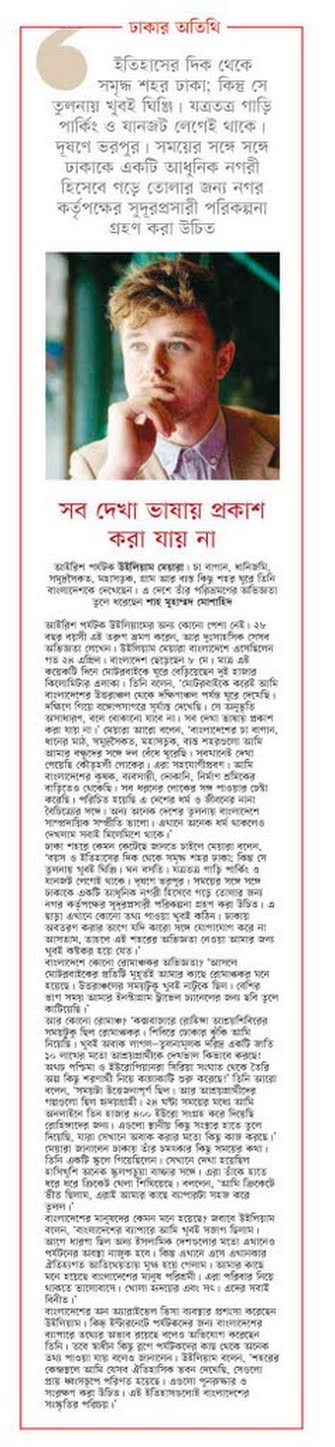
Interview with an Iristh tourist wiliam Miara about his BD experience.
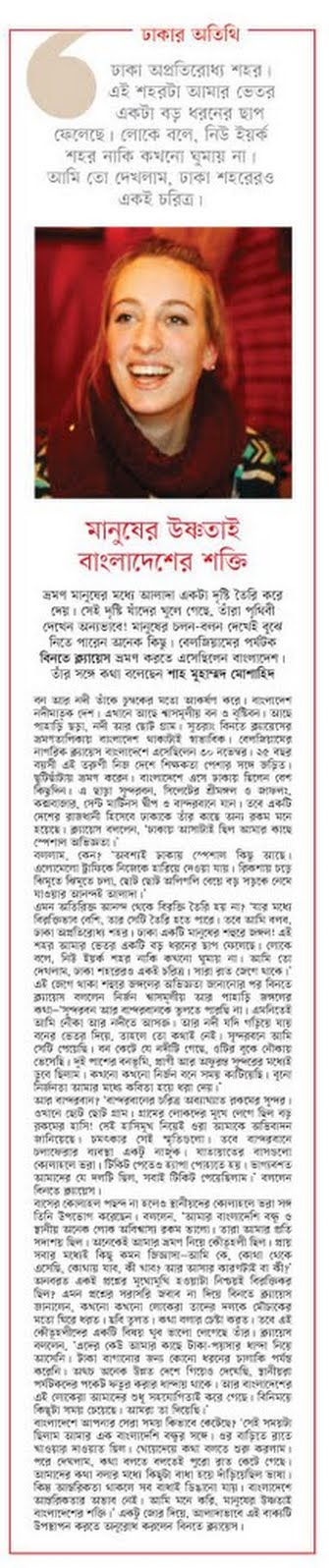
Interview about her Dhaka experience.
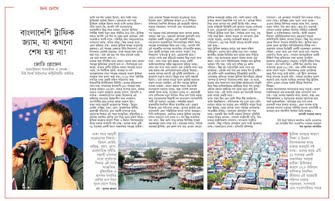
Bengali Translation of Jody Rosen's write up at nytimes. He wrote on his Dhaka experience with that (The Bangladeshi Traffic Jam That Never Ends) title.
Jody Rosen wrote `I WAS IN DHAKA, which is to say I was stuck in traffic. The proposition might more accurately be phrased the other way around: I was stuck in traffic, therefore I was in Dhaka. If you spend some time in Bangladesh’s capital, you begin to look anew at the word “traffic,” and to revise your definition. In other cities, there are vehicles and pedestrians on the roads; occasionally, the roads get clogged, and progress is impeded. The situation in Dhaka is different. Dhaka’s traffic is traffic in extremis, a state of chaos so pervasive and permanent that it has become the city’s organizing principle. It’s the weather of the city, a storm that never lets up.'
and etc.